The Age of Disenchantment
The RAE dictionary defines “fascination” as an “irresistible attraction” — a feeling of “dazzlement and enchantment” toward someone or something. A state similar to what we feel when we fall in love, or when last year’s AI boom reached its first peak and nobody could resist its seductive spell. Spike Jonze already predicted it in Her.
But infatuation has an expiration date, and the boundless enchantment with AI is no exception. We no longer admire it for its perfection. We’ve started to see its strings. We woke up from the perfect fairy tale to make way for a new phase: more mature, more conscious, more everyday — less magical, more analytical.
Along these lines, we came across Dario Amodei — AI researcher and CEO of Anthropic — who titled his latest newsletter entry “The Adolescence of Technology.” The piece, among other things, describes a new era of AI where its existence or potential is no longer questioned, but assumed as part of contemporary everyday life. This observation raises several questions, and since this newsletter was born as a space to explore, debate, and generate more questions than answers, we dared to compare AI’s transition into its new stage with what happened in Art History once the first avant-garde movements stopped being seen as novelties and became part of the system.
While the movement spanned decades and many factors made this process a historical landmark, we want to pause on one in particular: how those avant-garde movements — Impressionism (1874–1886), which challenged the way we perceive the world through a style capable of capturing “real” movement on a flat canvas, and Expressionism (1905–1925), which used the intensity of distorted figures to make visible the anguish, fear, and loneliness of a society no longer sheltered by what art once was — burst onto the scene just as AI does today, provoking radical changes not only in art, but in the very way we perceive reality.
It’s hard to grasp the fascination they caused, but imagine a feeling similar to seeing the Earth float in space for the first time, or watching a city like Paris light up electrically. The shock was that great when artists like Monet and Degas left their studios for the open air, tired of artificial light and false backdrops. And the audacity of Die Brücke and Der Blaue Reiter in declaring that art had, officially, stopped needing to be beautiful — it changed forever the way we represent and see the world.
Because what was at stake wasn’t just a new technique or a new style, but something deeper: a crisis of representation. The world remained the same, but the way of seeing it — and translating it into images — had changed for good.
And if any of this resonates today, there’s nothing more to add. Hasn’t AI changed the way we see and represent reality? In fact, let’s go deeper: we no longer even know what reality is.
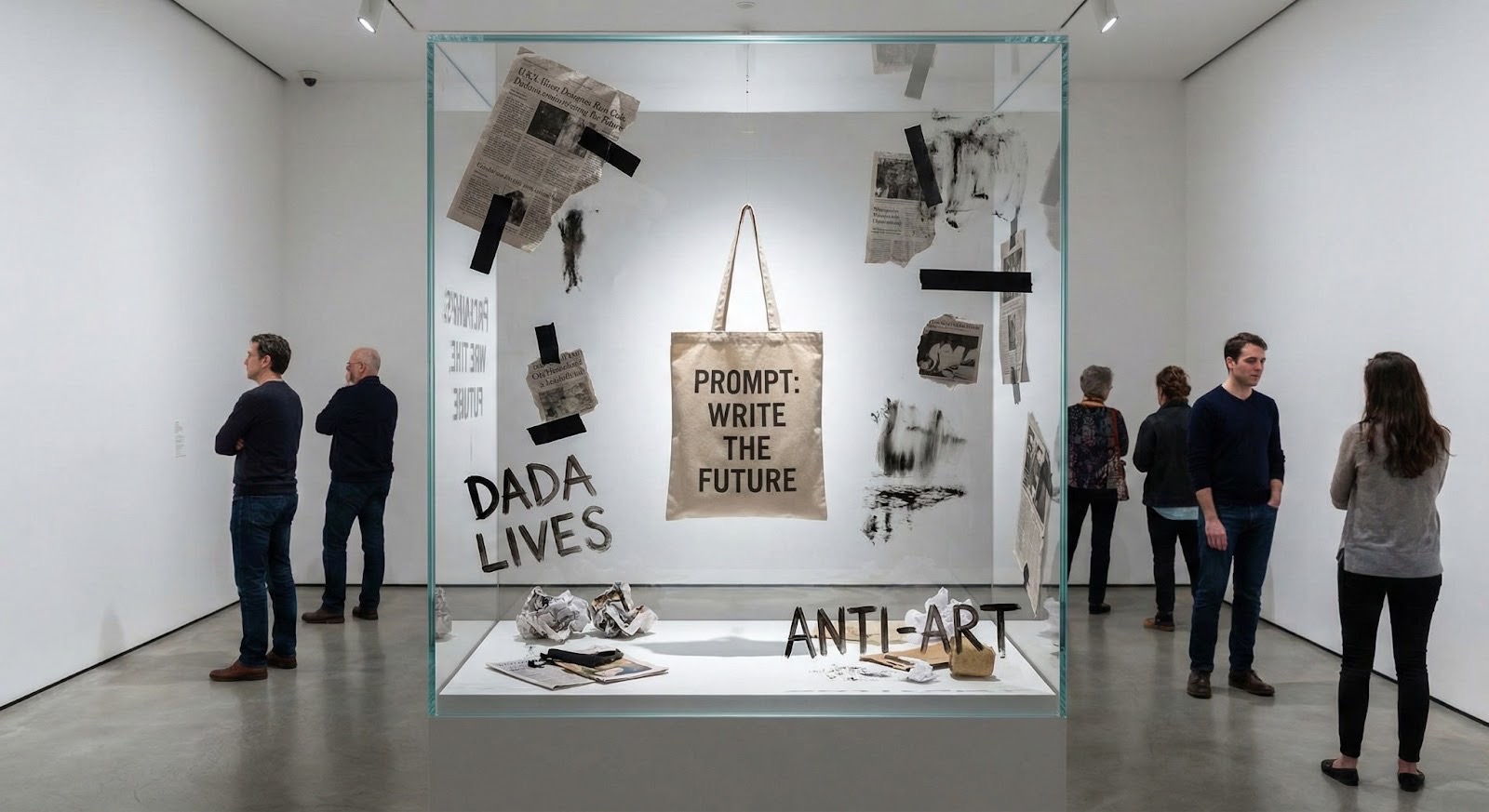
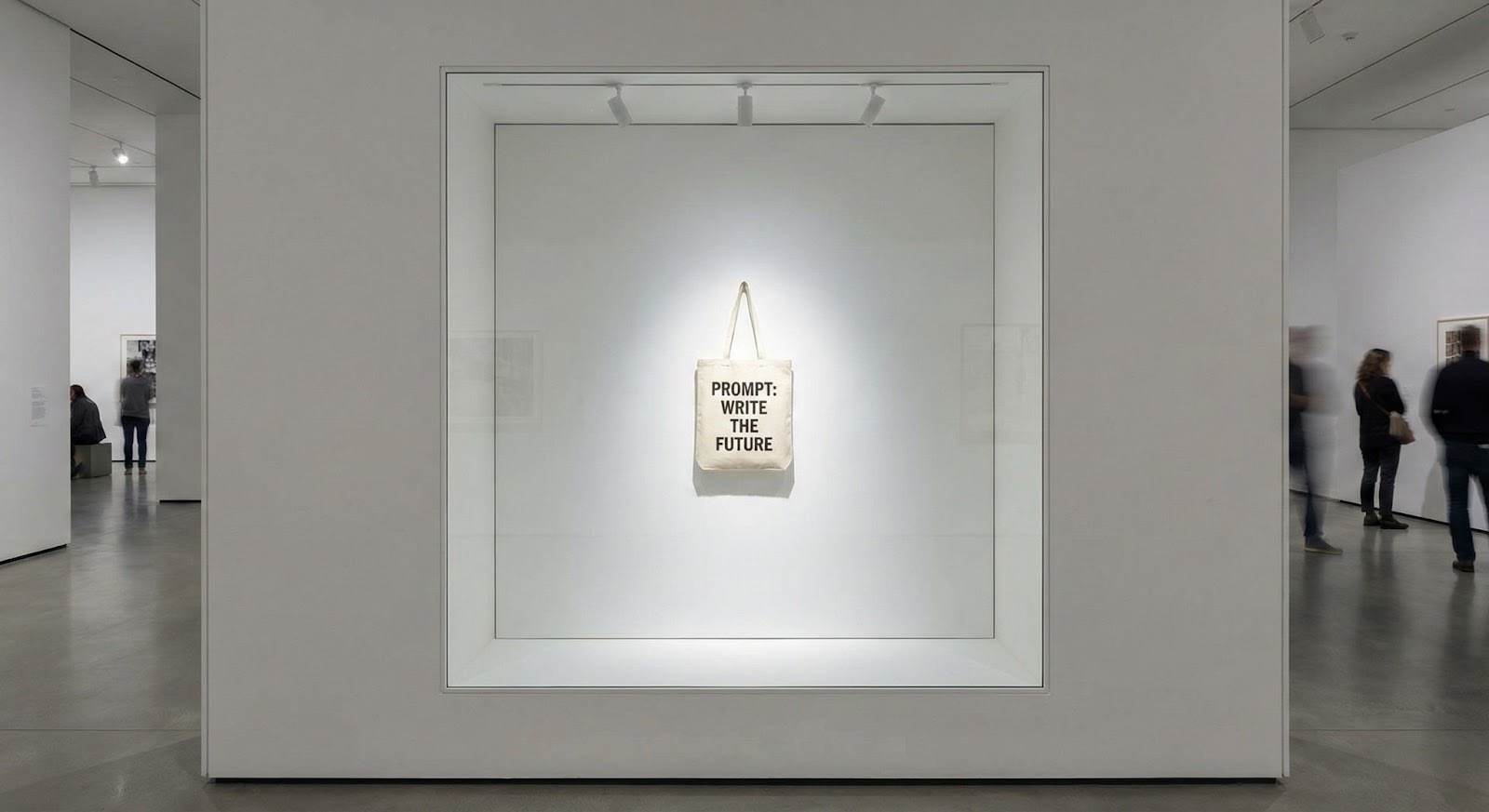
But let’s return briefly to the scene of the first avant-gardes to close this reflection. With the Expressionist momentum, the art world doubled down on its path of innovation with the arrival of Dadaism (1916–1924) — a manifesto of exhaustion, mockery, and provocation aimed at art that had once been disruptive (remember that Impressionism caused a massive stir?). Under the critique of “this isn’t art,” rejection was, at times, total. Until, of course, the system “ate the revolution raw” — not only accepting it as part of Art History, but taking it to the next level: Tristan Tzara’s exquisite corpses no longer circulated only in the private salons of dandies, but on tote bags at gift shops.
The perspective created in the Renaissance matured toward a three-dimensionality never before seen. Beautiful subjects gave way to the representation of a society at war: fractured, defeated. And with all of this, a path of experimentation that, after a time, became the norm. Art no longer had to be beautiful, and reality is far from objective. So, with an acceptance that wasn’t easy but finally came, in a not-so-unexpected plot twist of History, the sweet enchantment of the new was swallowed whole by the habits and customs of mainstream consumption.
And that’s the key point of this edition. Because we believe the same thing is happening with AI. There’s a fascination in decline — because, whether we accept it or not, we’ve gotten used to living with it. Nobody finds it strange to chat with a bot, take a driverless rental car, or have a robot bring your order to the table. And in that absence of strangeness, the impossible and the distant have become daily bread. With the same intensity of its emergence, the fascination is fading— the age of disenchantment has begun.
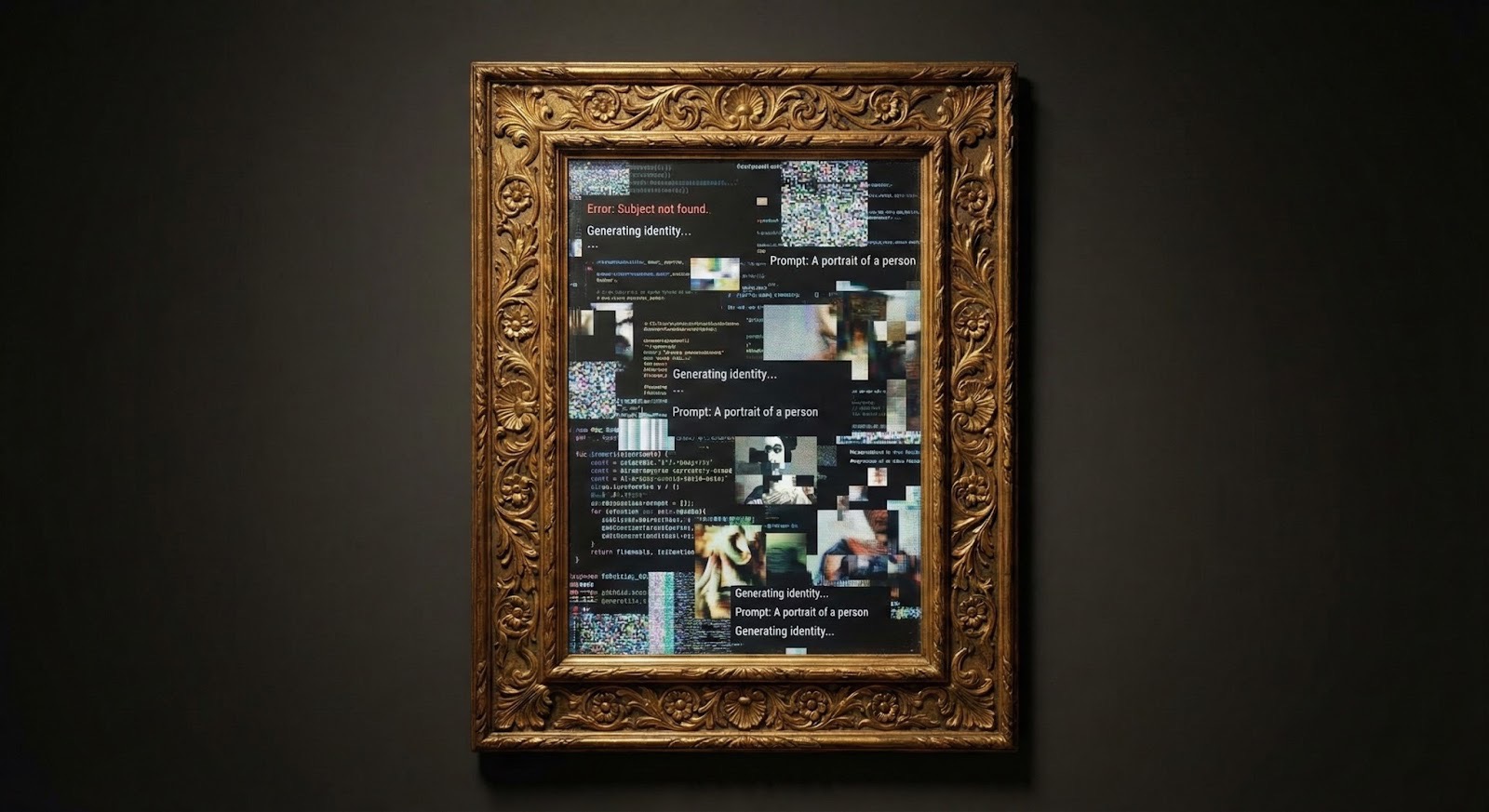
Specifically in our work, nobody questions the use of generative tools or creative debates with ChatGPT, Gemini, or Claude anymore. In fact, not doing it would be strange. What was once “weird” no longer is. What was once far away is now just a prompt away. Because — like the arrival of Impressionism, Expressionism, or Dadaism — the way we perceive and represent the world has changed. Our world. And believe us: this marks an inflection point and another not-so-unexpected plot twist in which innovation that once seemed pulled from a sci-fi series is absorbed by the everyday, losing all its mysticism along the way. There are surely more “enchantments” yet to be discovered, but put simply, it feels like watching a magic trick whose secret you already know.
The good news about this new era: we still have humans. The only beings capable of starting a new avant-garde process where the banner is, precisely, fascination — that “irresistible attraction,” that “dazzlement and enchantment” for nothing less than our own capacity to imagine and create. We’re already ready for the next novelty, because it won’t be long before we find ChatGPT merch on Amazon.
What, then, will be the next great socio-cultural revolution that makes us change the way we inhabit and represent the world?
Text: Paula Caffaro / Images: Belén Ramírez
01/ Cover image. AI-generated (Midjourney). Prompt: Antique Renaissance mirror with ornate gold frame. The reflection is not human: it is a digital mosaic of pixels, code, data, and fragmented prompts. Contrast between the classic and the technological. Dramatic lighting, conceptual aesthetics, high definition. — Variant: A classic Renaissance mirror with an ornate antique gold frame, richly carved with floral and baroque motifs. The mirror is leaning against an interior wall of the MoMA museum in New York. However, the reflection does not show a person: instead, a vibrant mosaic appears, composed of pixels, fragments of code, lines of data, written instructions, digital glitches, and fragments of AI-generated images. The texture of the reflection blends the organic and the digital, as if identity were made of information. In the graphic style of artist Salvador Dalí. Dramatic Renaissance-style lighting, high contrast, hyper-realistic details, philosophical and contemporary atmosphere. Aspect ratio 4:3.
02/ AI-generated image (Midjourney). Prompt: A minimalist display case, similar to those found inside the MoMa museum. In the centre is a tote bag with the text: “PROMPT: WRITE THE FUTURE”. It is illuminated as if it were a masterpiece. This action is influenced as if it were part of the Dadaist movement in contemporary times.
03/ AI-generated image (Midjourney). Prompt: Artificial Intelligence represented as a museum art piece, displayed as a collectible object inside a glass showcase, futuristic sculpture made of transparent glass and glowing circuits, subtle blue and violet light, visitors observing in awe, contemporary art museum, ultra realistic, cinematic lighting, 8k, high detail, reflections on polished floor, dramatic atmosphere ––ar 16:9
04/ AI-generated image (Midjourney). Prompt: A minimalist display case, similar to those found inside the MoMa museum. In the centre is a tote bag with the text: “PROMPT: WRITE THE FUTURE”. It is illuminated as if it were a masterpiece.