Look Twice
In the past few weeks, we came across different kinds of AI-related news — the kind that made us think, and that set off all sorts of internal debates at the studio: videos and articles that went viral on social media and major outlets, all with the same unsettling backstory: THEY WERE FAKE. And that got us wondering: how do we tell the real from the AI-generated?
In fact, when we were talking about this after lunch at Nocaut, we realized that some of us — even working with images and digital tools every day — had been fooled by one of those viral videos. It was a funny and revealing moment: a reminder that nobody’s immune, not even the most trained creatives.
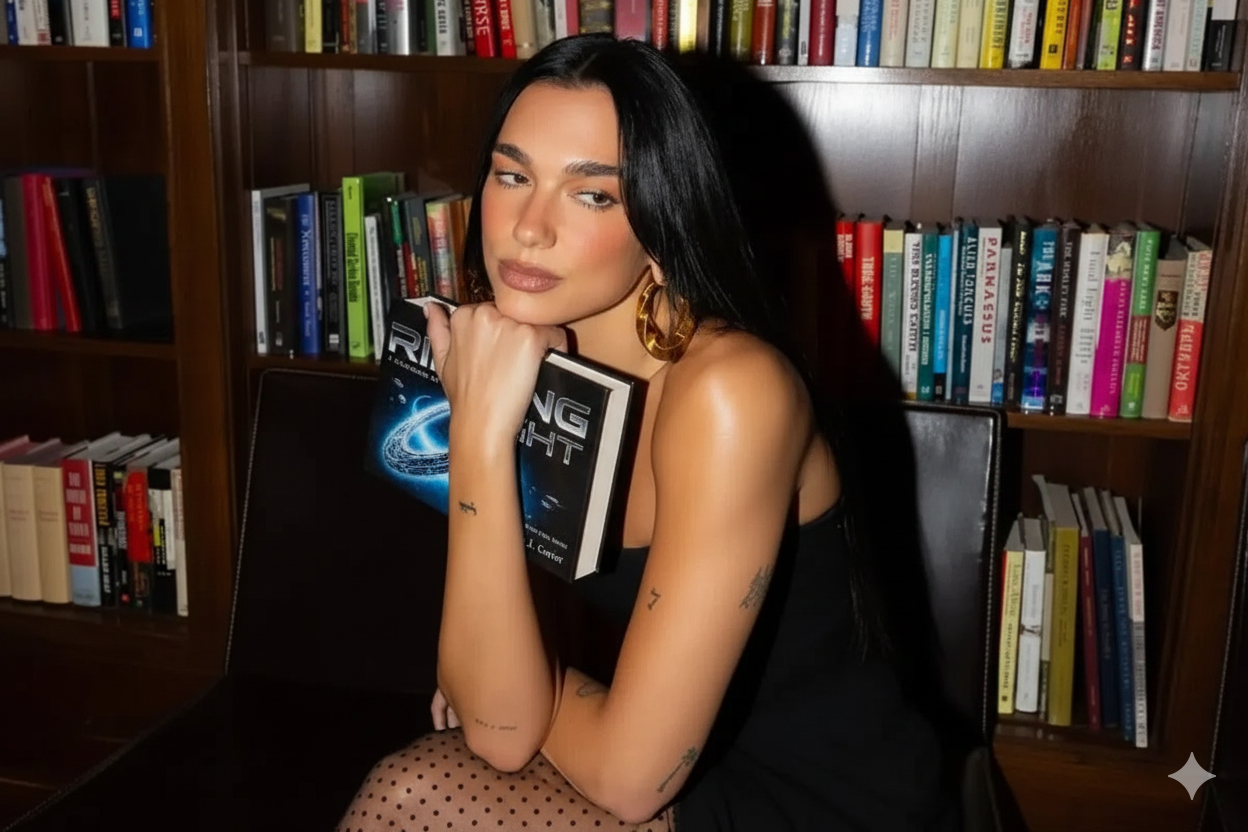 02/ Dua Lipa, Ring-Sight fan.
The first alarm that goes off: it feels like centuries have passed since we (innocently) had fun with those “is it an object or is it cake?” virals. The question is different now — and much harder: is it real or is it AI?
But the dilemma goes beyond technology: it’s cultural, social, and even existential. Artificial intelligence opens enormous doors for creativity, research, and innovation — but also for mass manipulation. And in that sea of pixel-perfect images, flawless skin, and voices indistinguishable from the real thing, telling the true from the fabricated gets harder every day.
Case in point: a few weeks ago, a video went viral that looked like home security footage — a group of little rabbits jumping on a trampoline. Cute, adorable... and completely fake. The clip was AI-generated and, while it hid small glitches (like a rabbit that disappeared mid-jump), it managed to fool and fascinate the entire world. Over 230 million people watched it, shared it, and felt something for something that never existed.
Side note: the creator did it on purpose. He knew that the uncertainty — real or fake? — would feed the algorithm. And it worked. What started as an experiment ended up showing just how easy (and profitable) it is to manipulate our perception of reality.
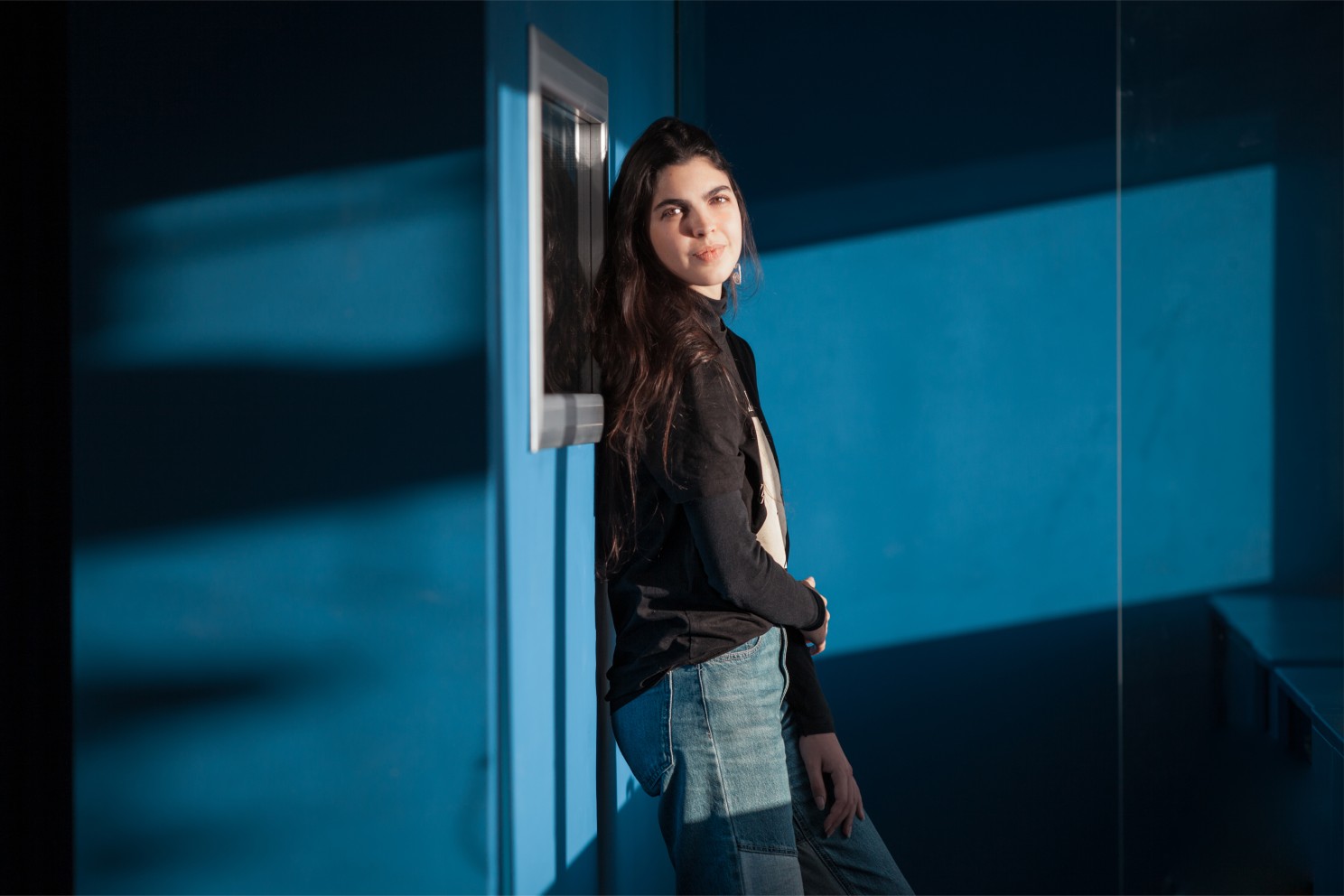 03/ Jose (original photograph by Matías)
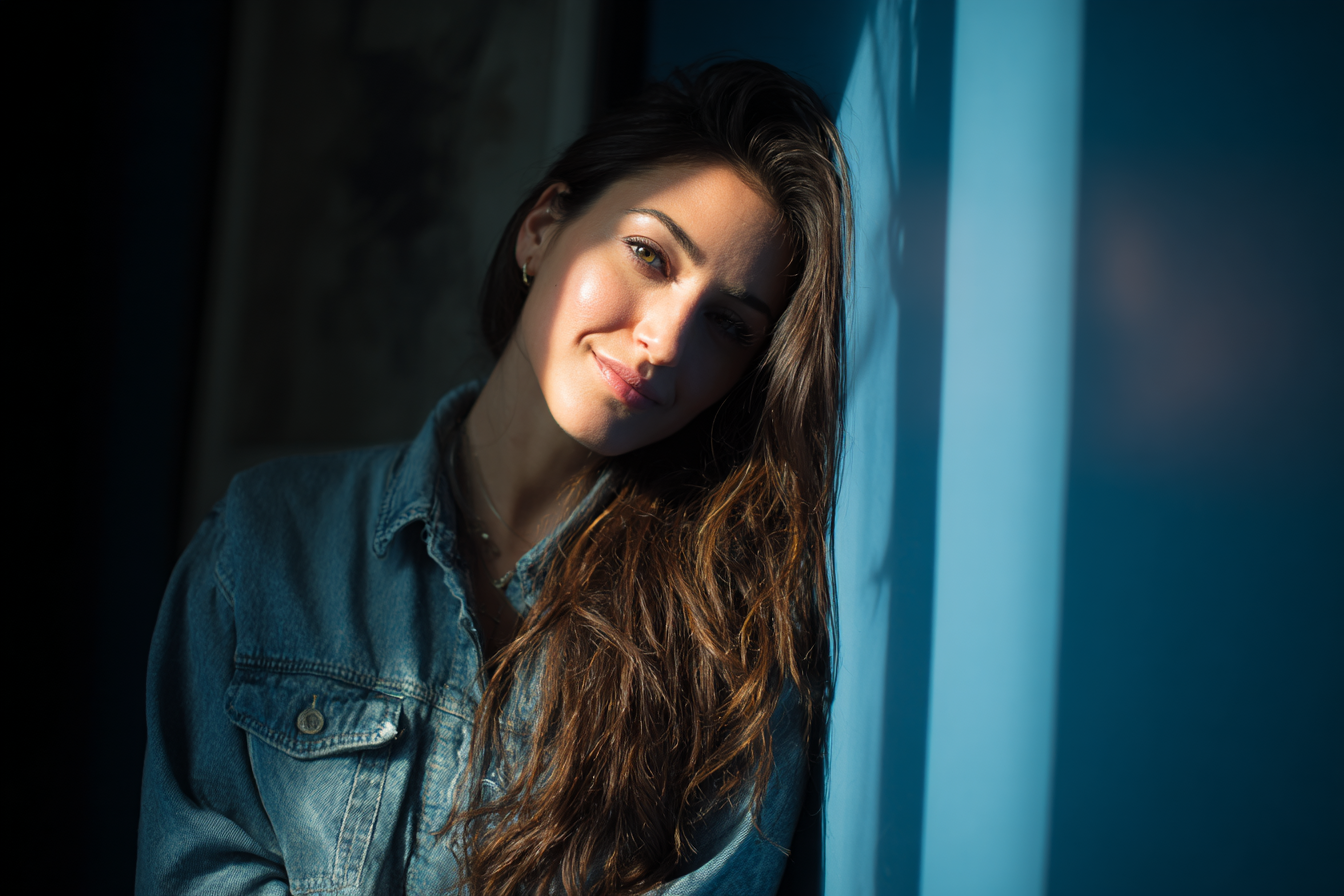 04/ Jose (Midjourney version)
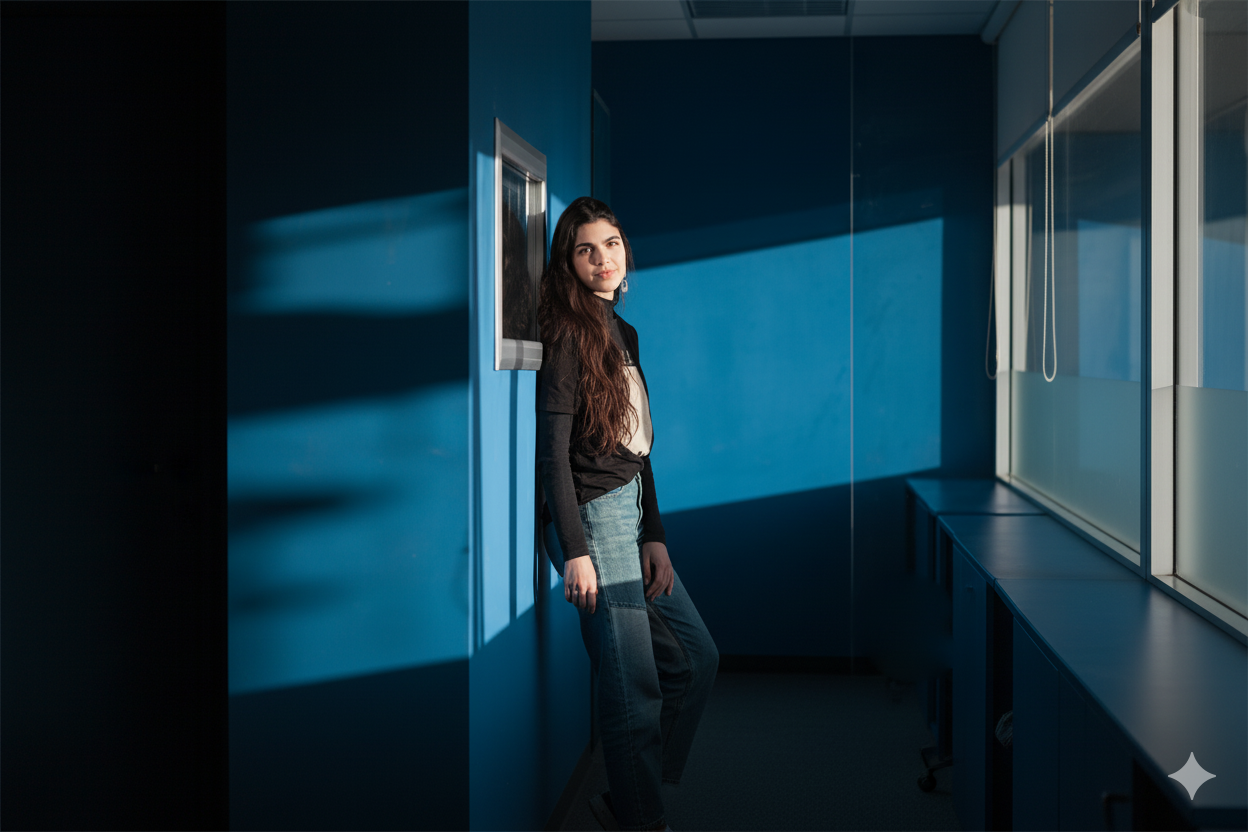 05/ Jose (Nano Banana version)
And like this one, millions of cases, every minute, every second, every time we scroll. AI is no longer a curiosity. It slips into the news, infiltrates small fragments of everyday life — into the videos we consume without blinking and the articles we share without verifying. And that saturation of fake material wears down trust and erodes the most basic thing we share as a society: the certainty of what’s real.
So what are we — curators or detectives?
Not long ago, it was easier to spot AI-generated images and videos: humans with six fingers, uncanny expressions, illegible text, strange backgrounds. But those tells are history. Today, when even the most trained experts struggle to tell real from artificially made, what chance do the rest of us have?
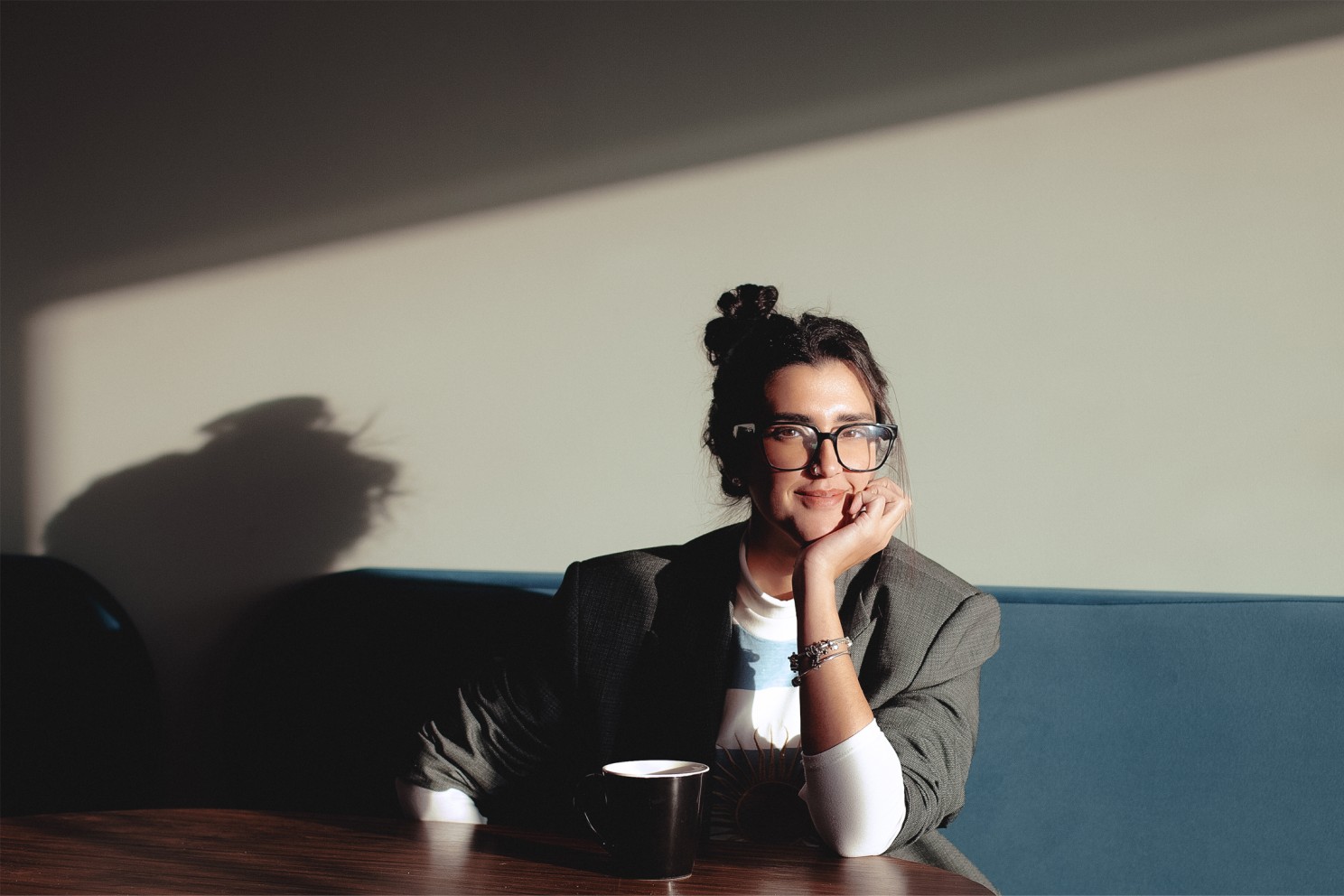 06/ Marti (original photograph by Matías)
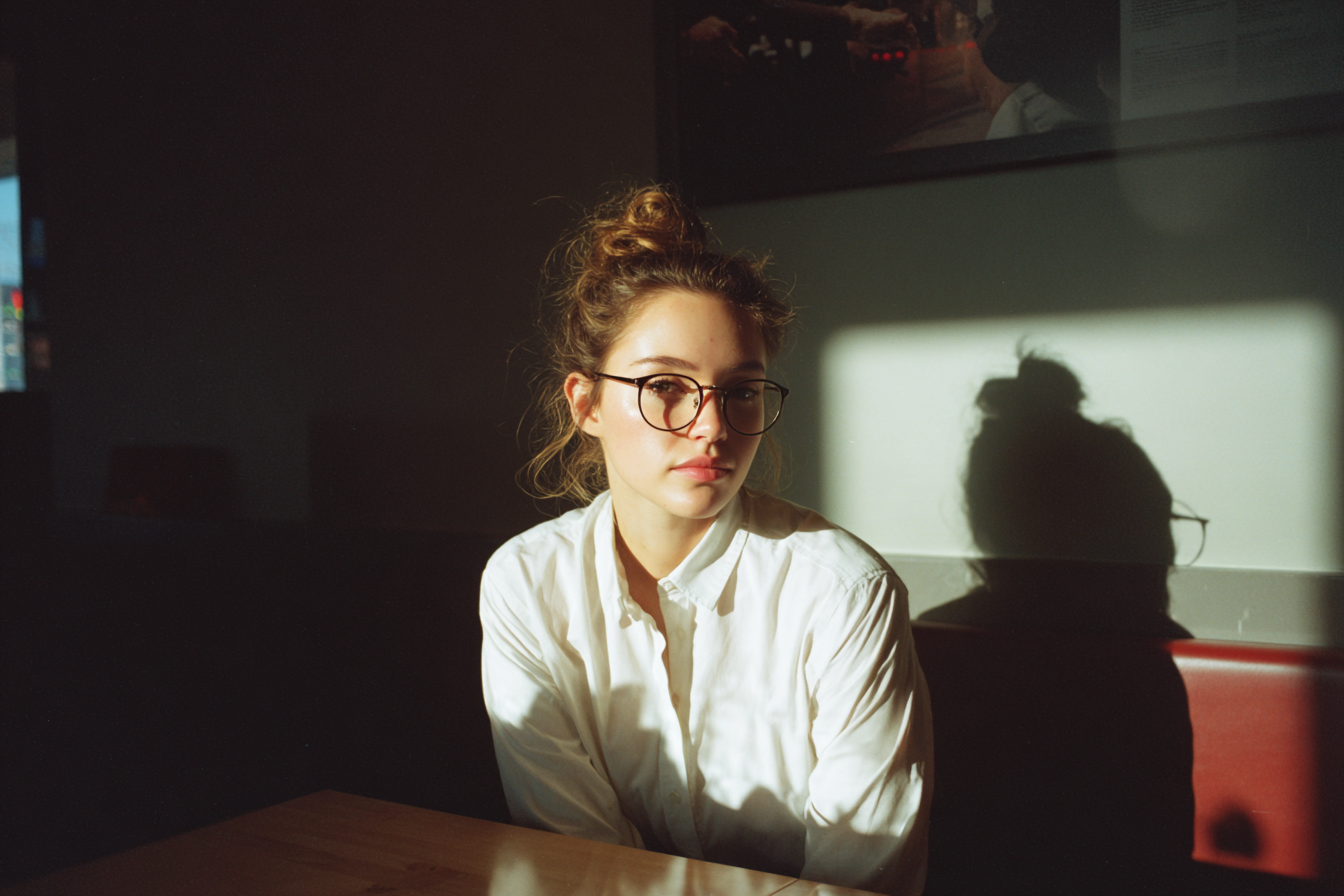 07/ Marti (Midjourney version)
“It demands a trained eye — one that slows down and pays close attention to avoid getting fooled. Images have been digitally manipulated with various software for years, and it’s always been hard to tell them apart.
For example, an image of a man or woman in an ad promoting a product or service has often been so heavily retouched that, in many cases, even the texture of the skin or the details that make it human get lost. Early on, AI tended to generate images so perfect that you could tell they weren’t real — smooth skin, no pores, no facial hair, no marks or imperfections. Now, with a good prompt and the right words, the images are richer in texture. You get strong results in skin and surface depending on the type of camera, the film stock, light quality, time of day, and so on. There are many parameters you can define to arrive at different results that feel true to life.”
So, from our active role as creators and explorers of this new world, we see two paths: either we let ourselves be dazzled by a rabbit that never existed, believe in impossible landscapes, and coexist with increasingly perfect illusions (play dumb, as the kids say) — or we start doubting absolutely everything.
Because if we can no longer trust our own eyes, how do we build consensus about reality? If anything can be fabricated, what happens to truth?
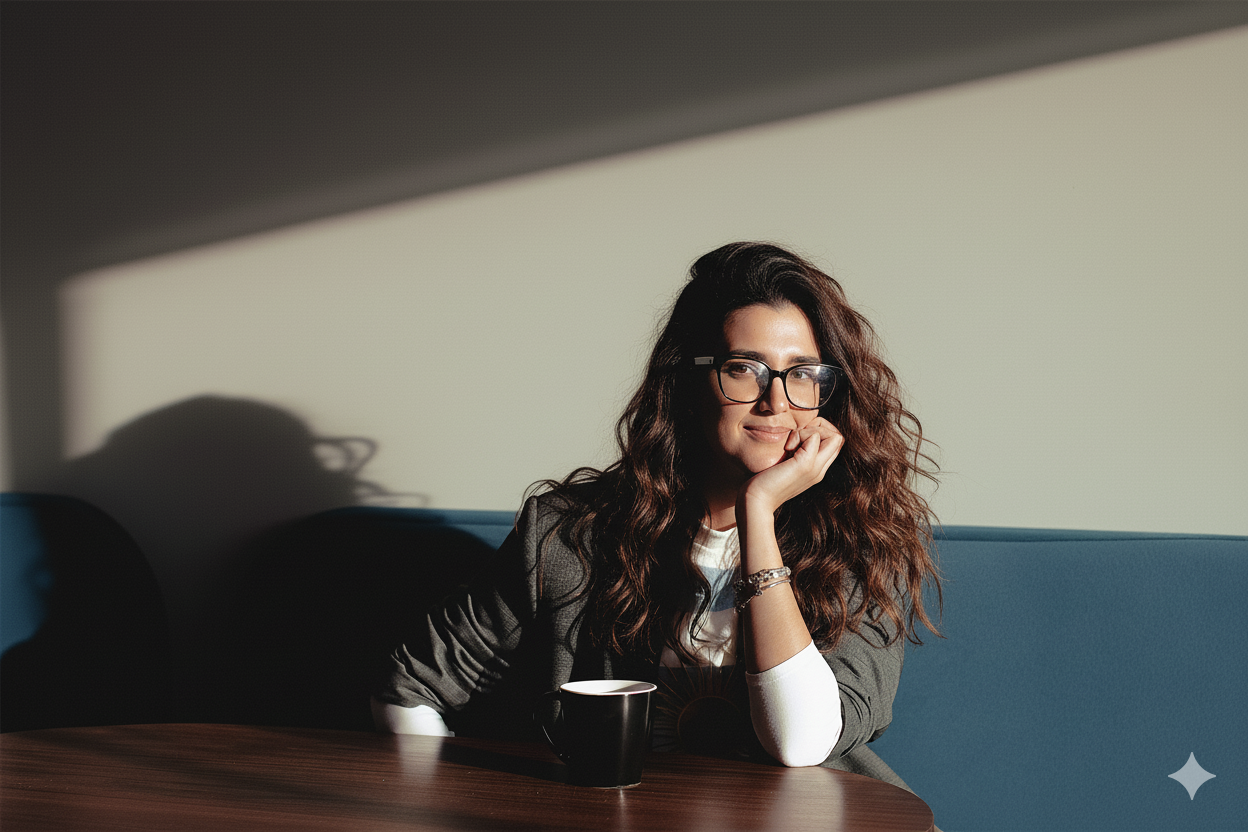 08/ Marti (Nano Banana version)
We can also choose to stop looking with innocence. It’s not about living in paranoia — it’s about training our skepticism, demanding transparency and accountability from creators. And above all, remembering there’s something the machine still can’t replicate: judgment, sensitivity, and human ethics.
AI has already proven it can go unnoticed (even in those videos where it’s pretty obvious, and the person on screen looks right at us and says “I’m not AI”). The next step will be deciding whether we let it narrate the world for us — or whether we keep doing that ourselves.
Text: Lara Massa. Photos: Matías Martin. AI-generated images: Belén Ramírez / Emilia Rismant.
01/ Rabbits jumping on a trampoline in a backyard at night. AI-generated image (Midjourney). Prompt: rabbits jumping on a trampoline at the bottom of a garden at night, natural illustration, high contrast, hyper-realistic, warm vibrant colors ––ar 16:9 ––V 7.0
02/ Dua Lipa holding a science fiction book called Ring Sight. AI-generated image (Nano Banana). Prompt: Crea una imagen donde la cantante Dua Lipa sostenga en sus manos un libro de Ciencia Ficción que se llama Ring Sight.
03/ Jose — original photograph by Matías.
04/ Jose — AI-generated portrait (Midjourney). Prompt: A portrait of an urban woman in casual attire leaning against the wall inside her office, illuminated by blue light, creating sharp shadows and highlighting her facial features. the background is minimalistic, with shades of navy and turquoise, adding depth to the composition. she has long brown hair tied back, wearing jeans and a black shirt. the image was shot on a nikon z9 camera with a nikkor af-s 35mm f/2g lens at iso 400 for a natural look. ––ar 128:85 ––v 7.0
05/ Jose — AI-generated portrait (Nano Banana). Prompt: A portrait of an urban woman in casual attire leaning against the wall inside her office, illuminated by blue light, creating sharp shadows and highlighting her facial features. the background is minimalistic, with shades of navy and turquoise, adding depth to the composition. she has long brown hair tied back, wearing jeans and a black shirt. the image was shot on a nikon z9 camera with a nikkor af-s 35mm f/2g lens at iso 400 for a natural look. ––ar 128:85 ––v 7.0
06/ Marti — original photograph by Matías.
07/ Marti — AI-generated portrait (Midjourney). Prompt: Portrait of an attractive woman sitting at a table, wearing glasses and business casual attire with her hair in a messy bun. the lighting creates an interesting shadow play, shot on fujifilm pro 400h film. ––ar 128:85 ––v 7.0
08/ Marti — AI-generated portrait (Nano Banana). Prompt: Portrait of an attractive woman sitting at a table, wearing glasses and business casual attire with her hair in a messy bun. the lighting creates an interesting shadow play, shot on fujifilm pro 400h film. ––ar 128:85 ––v 7.0